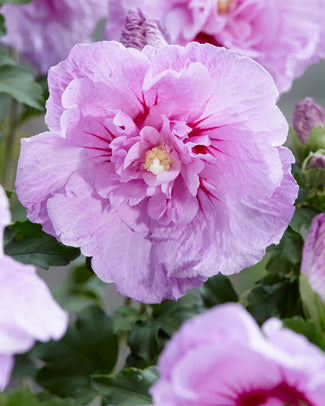
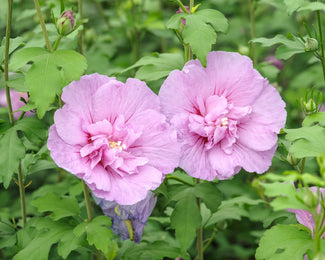
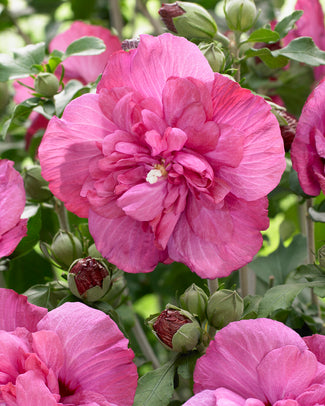
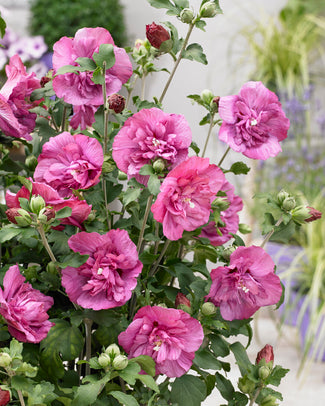
How to plant Hydrangea
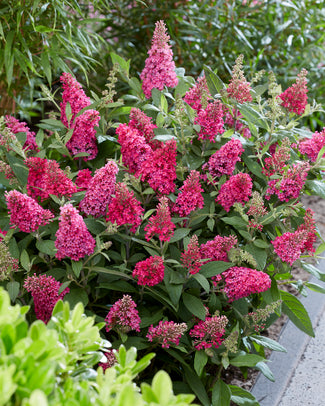
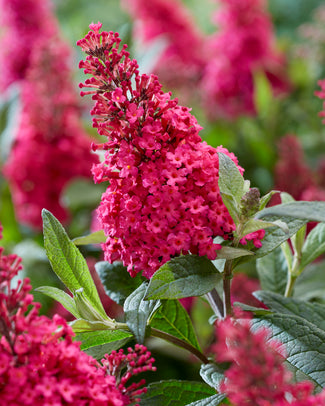
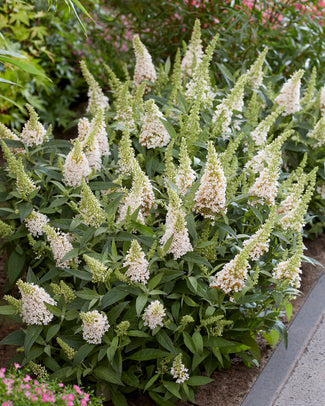
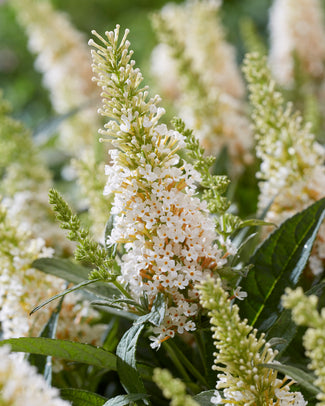
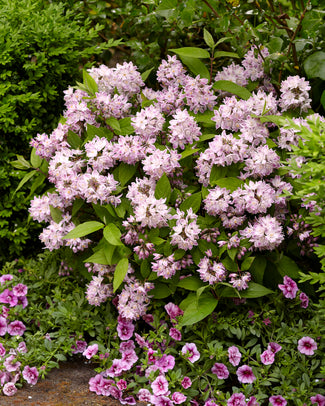
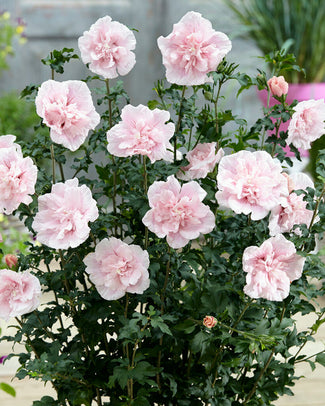
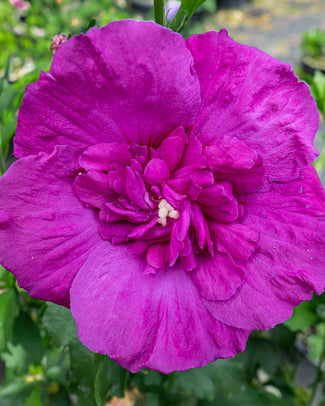
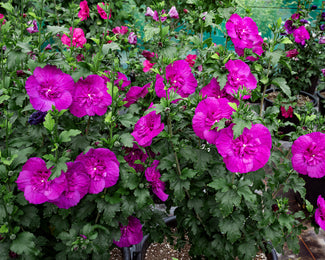
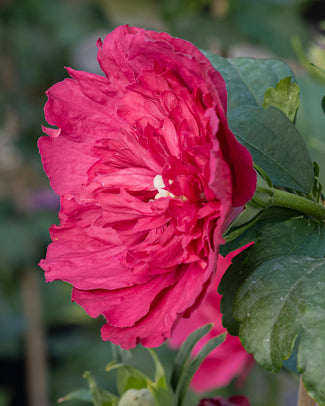
Hydrangeas are shrubs grown for their large mophead or panical flower heads in late summer, they’re low maintenance and put on a spectacular show which gets bigger and better every year. They prefer to grow in partial shade in moist but well drained and fertile soils however they can tolerate full sun if the soil is reliably moist (but not boggy) throughout summer. Having a diverse range of size, colours and form, there is a Hydrangea for every garden, from large country plot to small urban courtyards and pots!
How to plant
— Plant Hydrangea bare roots in spring between February and May, very soon after delivery while still fresh and viable. Bare root plants require moisture and light, so remove from the packaging on the day of arrival even if you can't plant that day, place in a bucket of water to soak and plant within a week.
— Prepare a space in the border for planting - dig it over so that the soil is soft and crumbly, remove weeds and check whether any neighbouring plants need to be cut back or reduced to avoid them smothering or competition with thenew shrub. Dig a hole large enough to accommodate the roots so that the full root system will be completely submerged in the soil after planting. The stem should remain above the soil surface, ensure the hole is the correct depth so that the soil is level with the point at which the roots meet the stem.
— Improve the immediate growing conditions by digging in some organic matter like compost or leaf mould to the area. Adding compost to the planting hole provides a soft and easy medium which will help the roots settle in and grow.
— When the shrub is in place, with the best branched or most attractive side facing into the garden, backfill the hole and firm down. Water thoroughly to settle the soil around the roots and hydrate the area.
— If your border isn't ready for planting your shrub, or if the growing conditions aren't ideal (poor soil, crowded planting space), it is best to pot up your Hydrangea bare root into a 20-30cm temporary pot with multipurpose or soil-based compost and grow it on outdoors first. It can then be transferred into the garden later in the year when it is larger and stronger. Only remove potted bare roots from the pot once they have grown enough roots to hold the soil together in a root ball - the soil falling from the roots during transplanting causes root damage.
— When planting into the garden, choose a position in partial shade. Hydrangeas prefer a moist but well-drained soil.
— Water after planting and continue to water regularly for the first year while the plant settles in. Once established, watering is only needed during dry/warm spells and if the soil starts to dry out.
Aftercare
— This shrub is deciduous and will lose its leaves in autumn. It is a hardy shrub and does not require winter protection, however the new buds which emerge in autumn and winter can be damaged by frost. It is therefore best to wait until spring to deadhead and prune, as they help to shelter the new buds lower down on the stems during winter.
— Prune in mid spring if needed to keep to size. You cut back by one third, cutting the branches just above a point where new buds are breaking. You should prune no further than three buds from the base of each stem.
— Hydrangeas make impressive cut flowers, both fresh or dried.
Read further general instructions about planting bare-root shrubs