How to plant Kolkwitzia
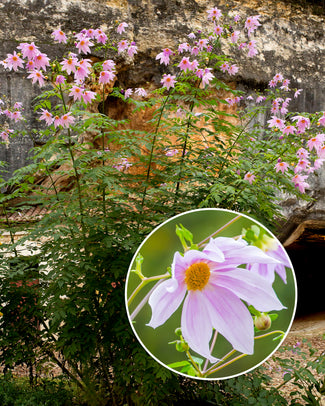
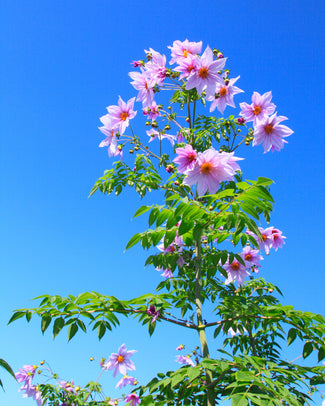
Also known as Beauty Bush, Kolkwitzia produces a very generous profusion of pink flowers in during early to mid summer. This is a suckering shrub, which means that more stems emerge from its spreading root system each year. It's fairly vigorous and begins to look established relatively quickly. Kolkwitzia is also resilient and tolerates most border soils including clay, sand, chalk and loam. Once established, this low maintenance shrub reliably brings both colour structure to the garden and requires very little attention.
Kolkwitzia can be grown among other plants in borders or as a standalone specimen. It's an effective and attractive screen as well as a pretty specimen plant, and it's often used in front gardens where it can provide some screening and privacy. It prefers a position in full sun or light shade, with moist but free draining soil.
How to plant
— Kolkwitzia are supplied as bare roots in spring and should be planted between February and May. Bare root plants and shrubs should be attended to very soon after delivery as they light and moisture to survive, they cannot be stored for prolonged periods in the packaging. If you can't plant on the day of delivery, remove your bare root from the packaging and place it in a bucket of water outside to soak, then plant within a week.
— Soak the roots in water for 3-6 hours prior to planting. Kolkwitzia are resilient and typically unfussy, however they do need more care and monitoring while they're settling in. Providing the soil in your borders is good quality, free draining and free of weeds, they are usually successful when planted directly into the growing space. Do allow sufficient clear space around neighbouring plants for the shrub to develop during the growing season. Prior to planting, dig over the area and remove any weeds, then dig a hole which is large enough to fit the roots. The stem and branches should remain above the soil surface after planting. Ensure the hole is the correct depth so that the roots are fully submerged and the soil is level with the point at which the roots meet the stem.
— Mix in some organic matter like compost or leaf mould to the planting hole while planting to improve the growing conditions for the new bare root. This provides a soft and nutrient-rich medium and to help the roots settle in and grow. Avoid adding manure to the planting hole as this can be too rich and damage the young roots.
— Position the shrub in the hole, then backfill the hole with soil and firm down ensuring the base of the stem is level with the soil surface. Water thoroughly after planting to settle the soil around the roots.
— If you have more challenging growing conditions, such as poor quality stony, sandy/light or heavy clay soil, a crowded growing space, or if the border isn't ready for planting, it is best to pot up your bare root shrub so it can grow on and establish before transferring into a border later in the year. Pot up the bare root into a 20-30cm temporary pot using multipurpose or soil based compost. Ensure the roots are fully submerged with the base of the stem level with the soil surface. Water thoroughly and position the potted shrub in a sheltered position outside to grow on. The shrub can be transplanted to borders once growth is established and the plant easily comes out of the pot with the compost held together in a root ball.
— When planting into the garden, choose a position in full sun or partial shade with moist but well-drained soil.
— This shrub is deciduous and will lose its leaves for winter. New leaves will begin to grow in spring. It is fully hardy and does not require winter protection.
— Water immediately after planting and continue regularly during the first growing season while the roots are settling in. From the second year, or once more established, watering is only usually necessary during particularly dry spells.
Aftercare
— Kolkwitzia are dormant when supplied and do not usually have leaves when they arrive. Leaves will begin to emerge in spring from around March/April.
— Keep the surrounding soil consistently moist in the first year. During hot/dry spells, water the area thoroughly in the evening or early morning to ensure moisture soaks down to the roots.
— For the first 1-2 years while the shrub is still compact, a light trim after flowering in summer is enough to maintain a good shape and encourage the shrub the bush out. From the second or third year, you can prune harder - take up to a third off the new season's growth. During winter while the branches are bare, check for any dead or dying wood to remove and also remove any very old or damaged stems.
— Once the Kolkwitzia is mature, it will have produced multiple stems. You can remove up to a third of the oldest stems entirely at ground level, making space for new, more productive young stems to grow.
— Apply a mulch of organic matter in winter or spring to feed the shrub and help retain moisture in the soil.
Read further general instructions about planting bare-root shrubs
![[]](http://www.farmergracy.co.uk/cdn/shop/products/agapanthus-black-buddhist-1_325x.jpg?v=1575625838 "Agapanthus 'Black Buddhist'")
![[]](http://www.farmergracy.co.uk/cdn/shop/products/agapanthus-black-buddhist-4_325x.jpg?v=1627464050 "Agapanthus 'Black Buddhist'")