How to plant Gaura
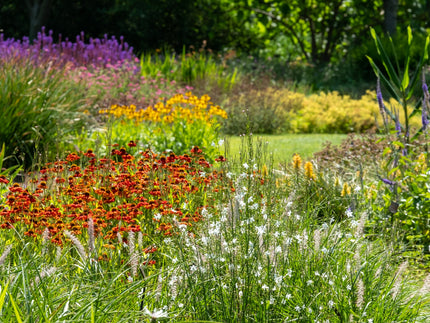
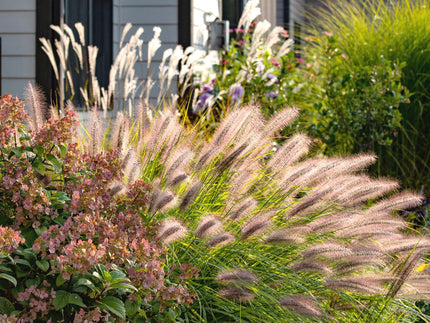
For profuse blooms and a breezy display in a border or gravel garden, Gaura is a great choice. This resilient perennial grows into a bushy plant with multiple delicate blooms through the summer season, it often gives the appearance of a cloud of white or pink butterflies. Gaura is hardy to around -10C when grown in free-draining soil, so in many areas this perennial won't require protection over winter and will easily grow back year after year with a display which becomes larger and more profuse until it is fully established. It's ideal for a sunny border and looks wonderful combined with other informal or cottage-garden plants, such as ornamental grasses, verbena, salvia or among dahlias.
How to plant:
— Plant Gaura bare roots in spring, when supplied, between February and May. They must be planted soon after delivery and can't be stored. If you can't plant on the day of delivery, remove the roots from the packaging and place in a bucket or bowl of water outdoors to soak, then plant within a week.
— Gaura are fairy hardy, tolerating temperatures down to around -10C. In areas where temperatures may fall lower over winter, they can be protected with a thick layer of mulch around the crown of the plant.
— Gaura bare roots should not be planted directly into a border as they can struggle to settle into garden soil as dormant bare roots. In addition, there are various other factors which can cause them to fail when planted directly into borders. They should be potted up and positioned outside to grow on through spring, then transplanted to borders later in the season when they are stronger and more established.
— Pot up your Gaura bare root into a 15-20cm diameter temporary pot using multipurpose compost. Ensure the full root system is submerged below the soil surface. The buds at the top of the root system should be level with the soil surface after planting. If supplied later in spring, they may have some shoots/leaves which should be left exposed above the soil surface after planting. Water thoroughly after planting.
— Grow-on in a sheltered spot outdoors in their temporary pots through spring. They can be transferred into a border once growth is more established. The plant will be ready to transfer once roots begin to emerge from the drainage holes in the bottom of the pot and when the plant easily comes out of the pot with the soil held together by the roots.
— When your Gaura plants are ready to transfer into a border, choose a sunny position with well-drained soil. Allow the compost in the pot to dry out slightly before removing from the pot, this will help prevent the soil from falling from the roots during transfer. Space the plants 40-50cm apart if planting a group. Add multipurpose compost to each planting hole to help the new roots grow.
— Keep a close eye on your new plant, checking for pest damage and keeping space clear around the young plant, removing weeds and also encroaching growth from neighbouring plants to reduce competition. Ensure the soil remains slightly moist around new plants, particularly during the first growing season. once it is fully settled in, Gaura is fairly drought tolerant and will only require watering during very dry spells.
— In very cold areas, it is recommended to apply mulch around newly-planted Gaura to help protect them from severe weather during their first winter.
— When supplied in late spring, your Gaura bare root is likely to arrive with shoots or leaves which may be pale in colour. Plant with the shoots/leaves exposed above the soil surface, they will soon green up and continue to grow.
Aftercare
— Water in after planting, and keep the roots watered regularly in its first season. When watering, ensure the water reaches the roots under the soil surface.
— Ensure the surrounding area has well-drained soil. Digging grit into the surrounding soil will help to improve drainage if needed.
— Gaura doesn't require deadeading as new flowers emerge further up the flower stem as old flowers fade.
— Gaura will produce leaves in the first year and often a small display of flowers. If they do not produce flowers in the first year, providing they have grown healthy foliage they will start flowering well in the second year.
— Cut back Gaura stems to around 5-10cm from the base of the plant in early spring. The old growth will help to protect the plant and root system from severe weather over winter. In areas with mild winters, you can cut back Gaura in autumn.
— Gaura is a clump-forming perennial which grows back larger and with more stems each year. Very mature or congested clumps can be carefully lifted and split in early spring, before new stems begin to grow.
— Read further general instructions about planting bare-root perennials