How to plant bare-root shrubs
If you’re looking for a plant which is low maintenance, provides screening and helps to shelter the garden and make it feel more natural and secluded, shrubs are often the answer. These long-lasting plants establish in the garden over years and not only provide a pretty backdrop, but also a habitat for wildlife.
The most cost-effective way to introduce shrubs to your garden is by choosing bare roots. They’re dormant when they are delivered in autumn and spring and this is the ideal time to plant them – they soon start to settle in, grow new roots and you’ll see the leaves begin to unfurl in spring, followed by new growth which increases the size of the shrub over summer. Compact on arrival, they will have had a prune already so that they’re ready to begin producing fresh new growth in spring. They take some time to grow to full size, but keep in mind that the joy of gardening is watching your plants grow and develop!
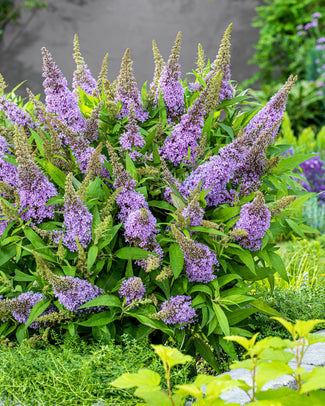
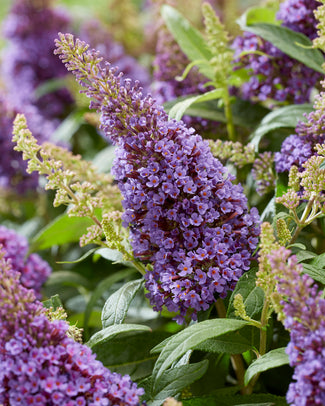
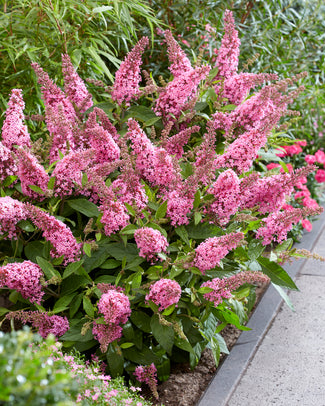
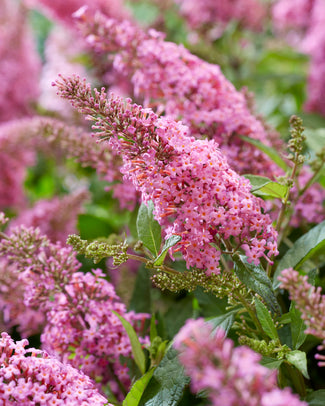
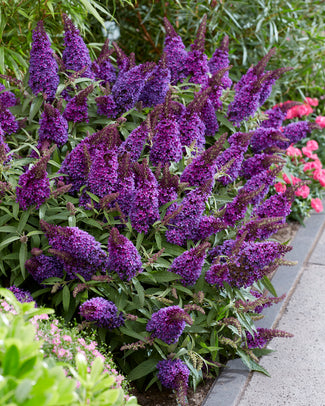
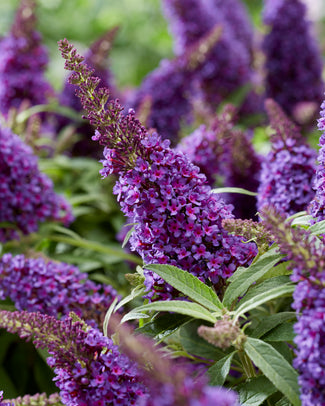
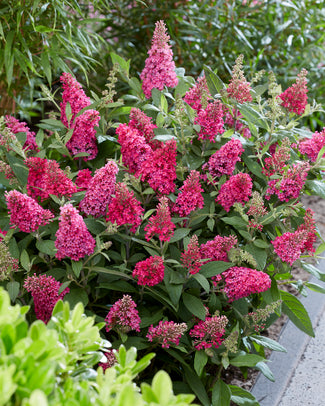
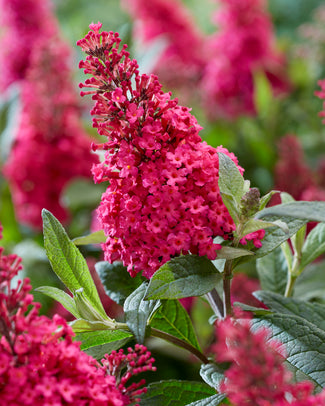
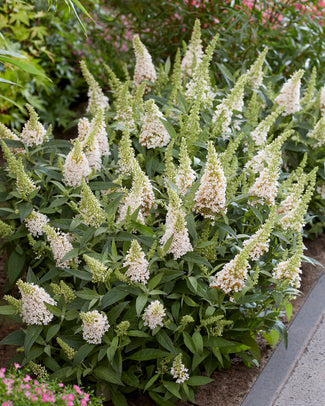
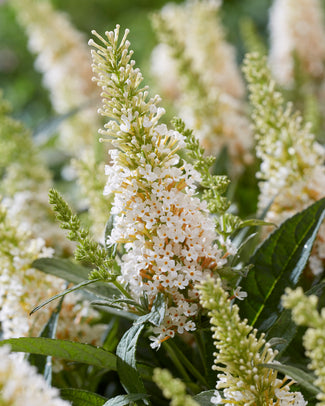
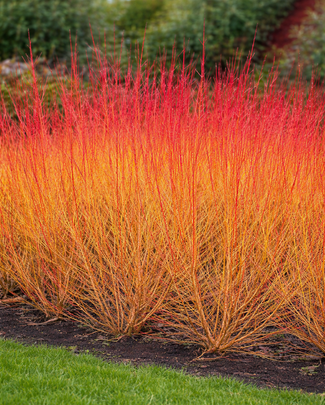
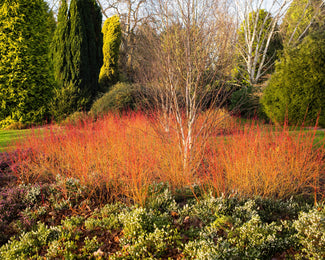
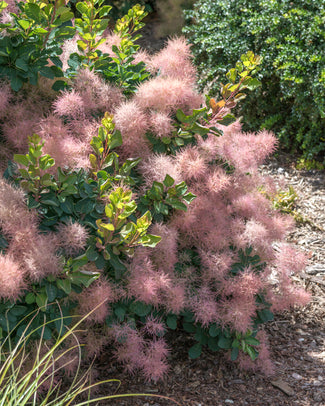
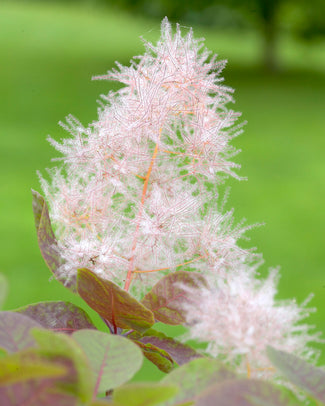
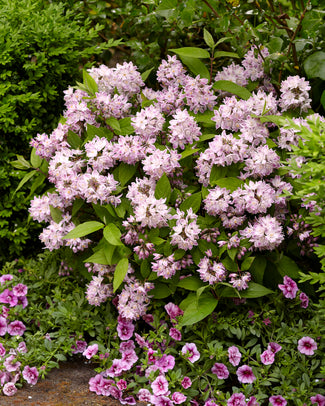
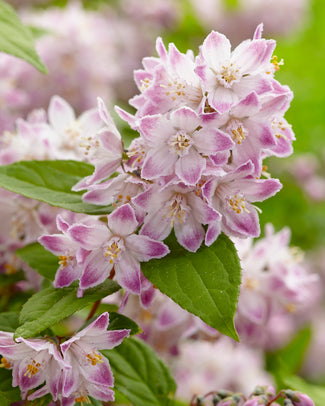
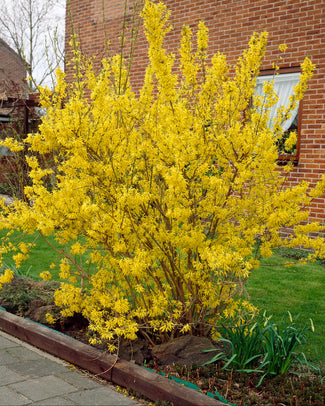
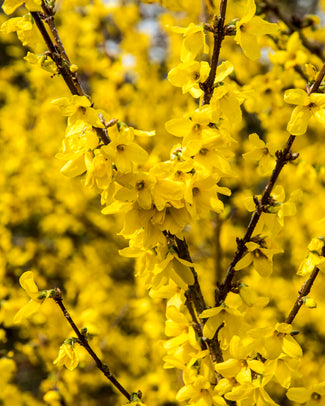
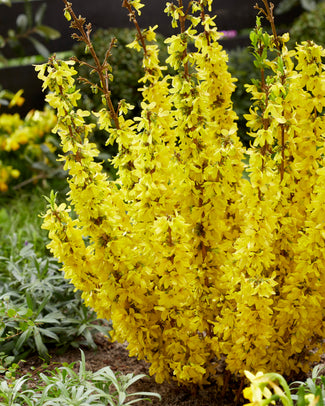
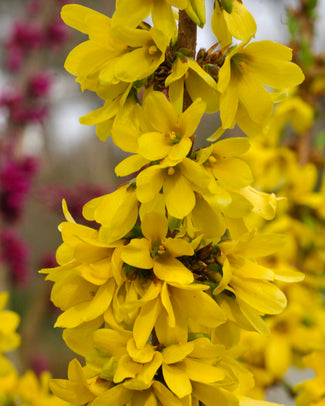
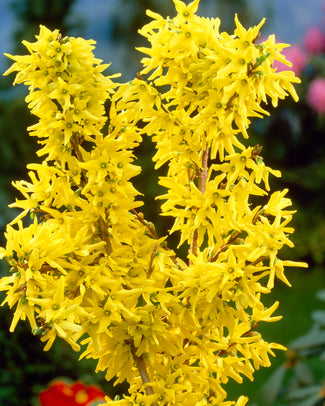
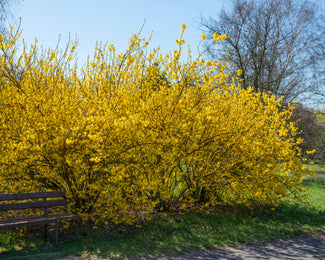
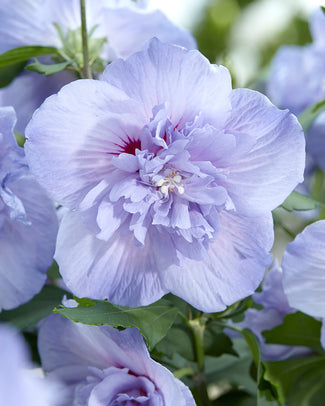
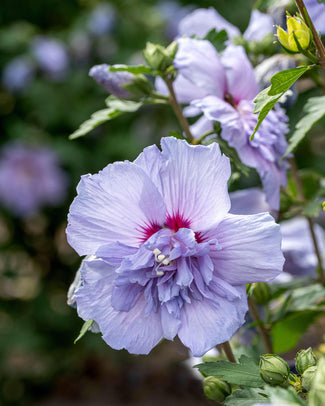
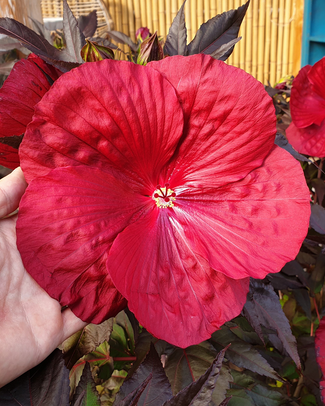
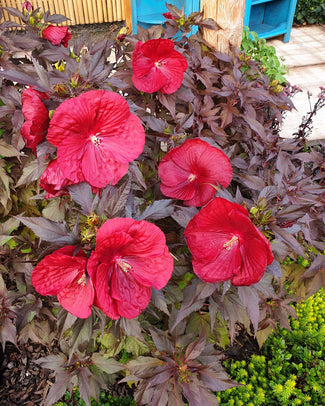
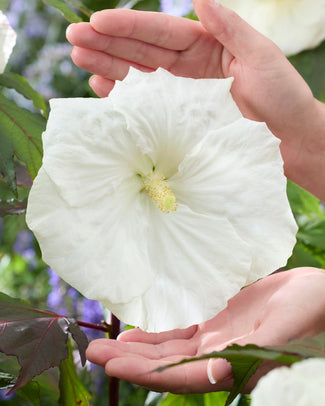
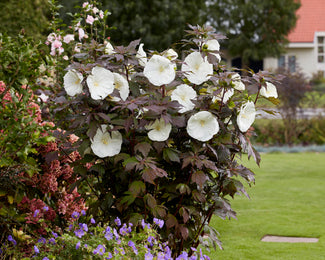
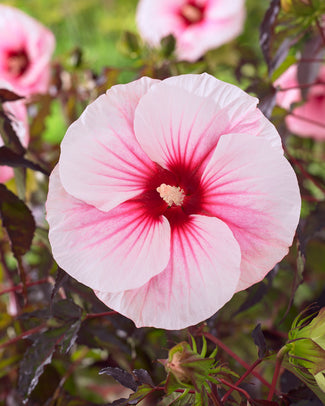
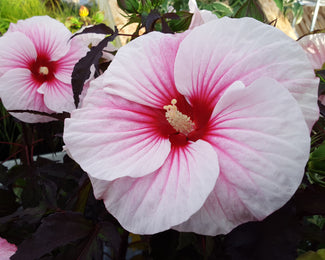
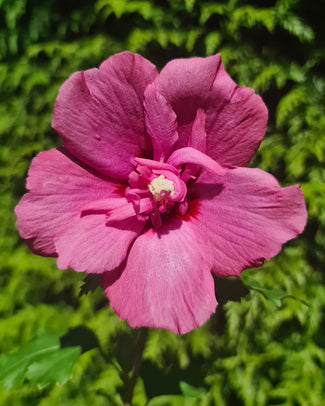
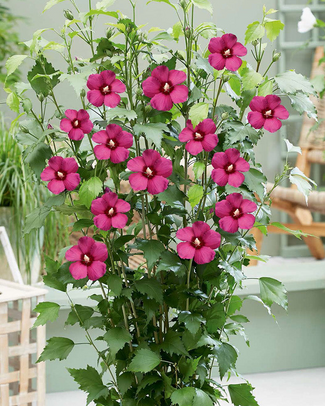
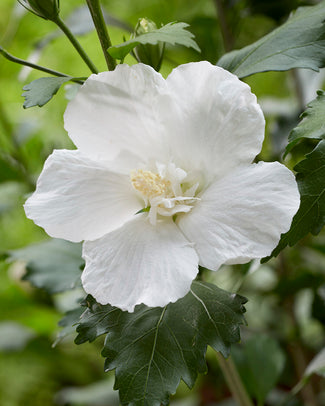
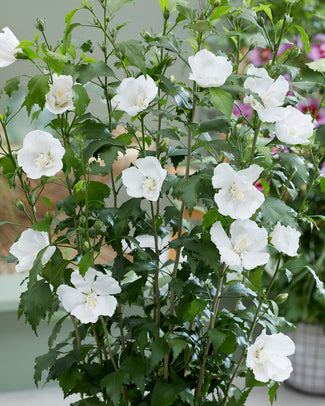
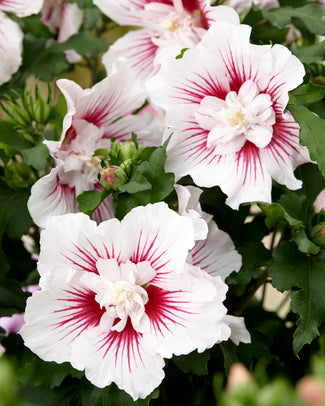
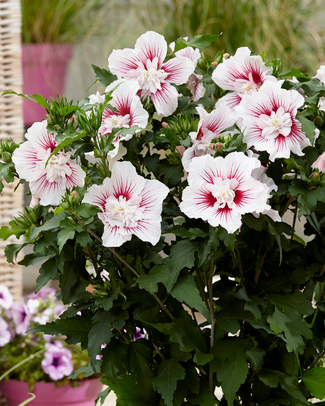
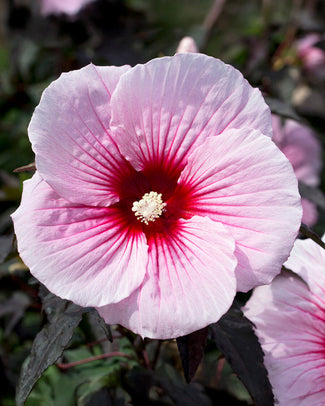
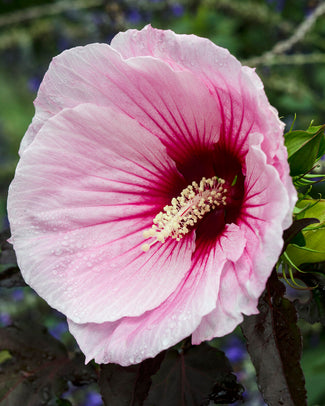
You can use shrubs to introduce colour to your garden throughout the year. Some, such as Viburnum, produce fragrant blooms in winter, and there’s Dogwood (Cornus) which has colourful winter stems. Spring flowering Forsythia and Deutzia bring a burst of exciting colour to the garden to kick start to growing season, there are summer flowering Hydrangeas and Buddleja, and then there are shrubs with glorious autumn colour such as Cotinus (Smoke Bush) and Hibiscus.
The general rule with all flowering shrubs is to prune them soon after flowering, this keeps them in shape and helps them to branch and bush out. Aside from regular watering in the first year while they’re settling in, hardy and resilient shrubs don’t require much in terms of maintenance.
However, shrubs will need some extra attention in year one and getting them started correctly is important, here’s how to care for your shrubs:
How to plant bare root shrubs:
— Shrubs are supplied in autumn and spring, they should be planted as soon as possible after delivery while they’re fresh and viable. Unlike dormant bulbs, they will not remain fresh for a long time in storage, they can’t be without moisture and light for long periods of time. If you can’t plant your bare root shrubs on the day they arrive, put the roots into a bucket of water outside and plant within a week.
— You can often plant bare root shrubs directly into a border with good free-draining soil, the planting area should be dug over first to soften the soil ready for the new plant. Weeds should be removed while preparing the area. Check the established spread of the plant, this determines how much space it will need around it. Avoid planting your new shrub close to a larger plant which will compete with it.
— You can also pot up bare root shrubs and grow them on before planting into the garden. This is particularly useful if the soil in your garden is challenging for new plants, or if the planting area is not ready and you need more time. You can plant your bare root shrub into a temporary pot which is around 20-30cm diameter with multipurpose or soil-based compost. It can spend its first growing season growing on in the pot and then be transferred into a border the following autumn/winter, or sooner if it starts to outgrow the pot. Potted shrubs should be transferred into borders or a larger pot once roots begin to emerge through the drainage holes of the pot.
— Dig a hole which is large enough to fit the entire root system. The base of the stem should be level with the soil surface after planting.
— It is recommend to add multipurpose compost to the planting hole when planting, this will add nutrients to the immediate area and provide a soft medium for new roots to grow easily. Avoid adding manure to the planting hole as this can be too rich and damage the new roots. You can add a small amount of granular fertiliser and mix with the soil in the hole or manure can be added to the surface of the soil after planting if you would like to give your shrub a boost in its first year.
— Position your bare root shrub with the most attractive side facing into the garden and backfill the hole with soil. Firm down after planting, ensuring the base of the stem remains level with the soil surface.
Aftercare
— Shrubs planted in borders usually perform just as well without feed. However you can apply a general purpose liquid feed fortnightly during spring and summer if desired. An application of liquid feed to the leaves can improve the vigour and overall health of the plant and may also increase flowering. Small shrubs which are grown in containers will need fortnightly feeding through the growing season and a top up of fresh soil every year.
— Shrubs require pruning or trimming annually. Different shrubs have different aftercare requirements and you can look up individual varieties on our planting instructions pages for more details on when and how to prune specific shrubs. However, as a general rule, all shrubs should be pruned or trimmed after flowering.
— Light trimming after flowering to remove the faded flowers neatens the appearance of the shrub and helps to maintain a bushy habit.
— During winter when the leaves have fallen and you can see the framework of the shrub clearly, you can find and remove any dead/brittle branches or stems completely. Removing dead or dying wood helps to keep the shrub healthy and makes space for new, more productive branches and stems.
— Branches which look out of place or which are in the way can be removed or pruned anytime.
— Once your shrub has reached the size you want it to be, you can trim lightly after flowering and then in winter you can prune it harder to reduce the size by around one third each year.
— Although shrubs are generally quite drought resistant, they too can struggle during prolonged drought or hot weather in summer. If the leaves start to droop in summer, it is a good idea to water your shrub thoroughly that evening while it’s cool. The water will have time to make its way down to the roots by the following morning.
Look up instructions for specific shrubs