How to plant Verbena
The effortless, airy beauty of Verbena bonariensis is second to none and they work well in any style of garden - from cottage schemes to gravel areas and sleek, contemporary designs. The rigid, narrow stems support clusters of vibrant purple flowers at the top, introducing colour interest at a height in planting schemes. These nectar-rich flowers are a magnet for pollinators including bees and butterflies, making them well suited to natural styles and wildlife gardens. They naturally thrive in poor soil and prefer a soil which is stony, gritty or sandy. This drought tolerant perennial is self supporting and will not require a lot of attention. If the growing conditions are just right for Verbena, they will seed and multiply over time, filling the area with a haze of purple blooms which return every summer.
How to plant:
— Verbena plants are supplied in spring for planting between February and May, and in autumn for planting between September and December. In either case, you should plant in the same season as supplied, ideally within a week of delivery while they're still fresh and viable.
— Verbena are supplied either as 9cm root balls (like potted plants with soil on the roots) or as bare roots (without soil). If you can't plant on the day of delivery, unpack on arrival and place root balls in a shallow dish of water outside and plant within a week. Plants supplied as bare roots should be unpacked on arrival and placed in a bowl of water to soak and planted within a few days.
— Root ball plants are slightly more established than bare roots and can often be planted directly into a clear space in a well cultivated border, depending on the soil type, moisture levels and growing conditions in the border. Avoid planting them directly into a space with challenging soil or which could soon become over-crowded by more established plants.
— Where the growing conditions are considered challenging (dry, poor soil or crowded area), for best results we recommend potting your 9cm root ball plant into a 15-20cm pot using multipurpose compost and growing on outdoors until the plant is more established. It will be ready to transfer once the roots begin to appear through the drainage holes in the pot.
— Verbena supplied as bare roots need to be individually potted up into 15cm pots using multipurpose compost and grown on for a few months before transferring to a border, this will give them an easy start and then they can be transferred into a border once they are more established.
— Plant bare roots or root balls so that the root system is fully submerged in the compost, leaving the buds/crown just below the surface. Any young shoots/leaves or stems should be left exposed above the soil surface.
— If planting root ball plants directly into a clear border, choose a sunny position with free-draining soil and space the plants 15-25cm apart if forming a group. Add multipurpose compost to each planting hole to help the new roots grow.
— Verbena are drought tolerant and don't like to be in wet conditions all the time. Water thoroughly immediately after planting and continue watering regularly in the first year, but only when the soil starts to feel dry.
— Verbena are fairly hardy, if planting in autumn there is no need to protect them from light frosts over winter. If temperatures are likely to fall below -5C, it is a good idea to protect them with mulch or fleece, or move newly-potted Verbena under cover during cold snaps.
Aftercare:
— There should be some small buds or shoots visible on the plants when they are supplied. After planting, the buds or shoots should continue to grow and produce leaves. Verbena don't always flower in the first year. If they do not flower in the first year, they should start flowering from the second year.
— You can deadhead as flowers fade, or allow the flowers to dry and remain on the stems through autumn if preferred. Allowing the flowers to dry and set seed can increase the number of Verbena plants in your garden in future years. In late autumn/winter, cut the stems down close to the base of the plant. If there are buds with new leaves towards the base of the stem, you can cut just above those buds.
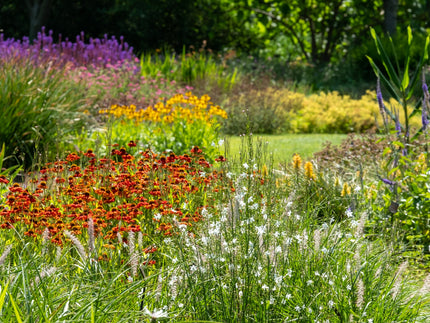
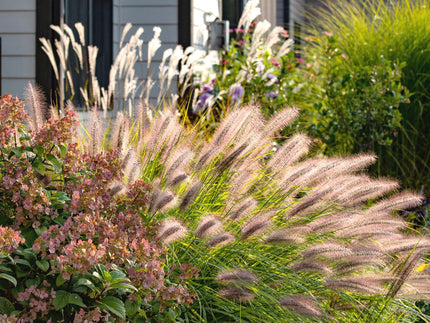
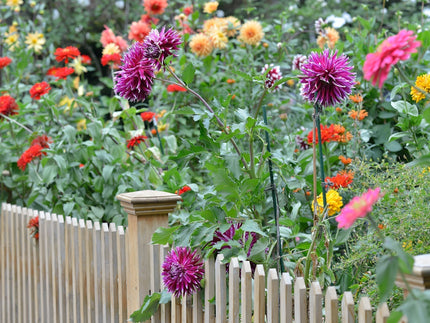
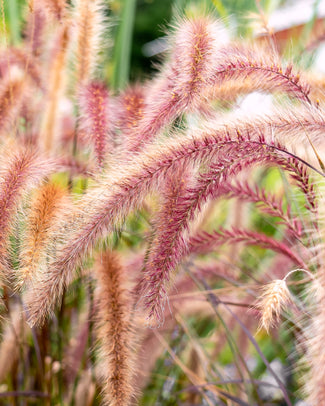
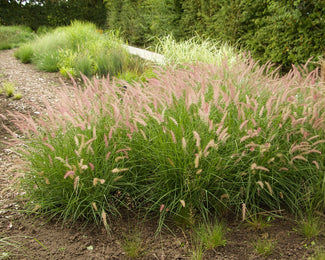
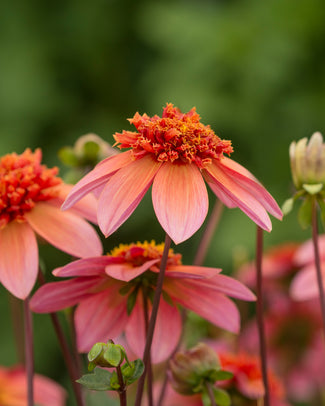
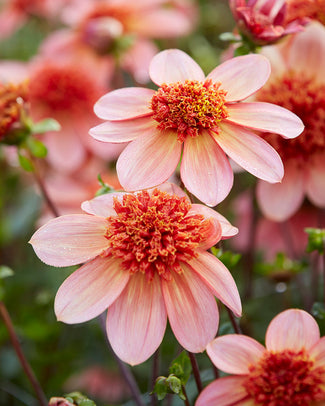
— Pair with perennials which enjoy similar conditions (dry/stony/sandy) such as ornamental grasses. Verbena can work well in a prairie style scheme or gravel garden combined with other perennials like Pennisetum, Helenium, Echinacea and Rudbeckia.
Read further general instructions about planting bare-root perennials
![[]](http://www.farmergracy.co.uk/cdn/shop/products/agapanthus-black-buddhist-1_325x.jpg?v=1575625838 "Agapanthus 'Black Buddhist'")
![[]](http://www.farmergracy.co.uk/cdn/shop/products/agapanthus-black-buddhist-4_325x.jpg?v=1627464050 "Agapanthus 'Black Buddhist'")