How to plant Armeria
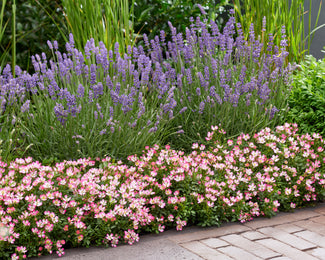
Armeria, commonly known as thrift or sea pink, is a compact, evergreen perennial that forms neat clumps of grassy foliage topped with rounded heads of pink or white flowers from spring through early summer. Native to coastal cliffs and salt marshes, it thrives in poor, well-drained soils and full sun, making it ideal for gravel gardens, rockeries, and edging paths or borders. Drought tolerant and fully hardy, Armeria copes well with wind and salt-laden air, making it especially useful in coastal settings. Low maintenance and long flowering, it’s also attractive to pollinators and perfect for adding pops of colour in tough, dry spots.
Armeria is very low maintenance and tolerates dry and windy conditions with salty air. It will flourish in a sunny, sheltered spot with well drained, stoney or sandy soil. It will need a little help to get settled into such harsh conditions before it can be left to its own devices, here's how to get it started:
How to plant
— Armeria root balls are supplied in autumn and spring. Always plant the root balls in the season they are received, ideally within a week of delivery. If you can't plant immediately after delivery, unpack the plant and sit it in shallow water in a bright spot temporarily. Armeria is supplied as a 9cm root ball plant.
— Root ball plants can in some cases be planted directly into a clear space in borders. This depends on soil type, moisture levels and what else is growing in the space. Most root ball plants can settle in well to good quality, rich and crumbly soil, however this isn't best suited to Armeria which prefers a light, free-draining and dry soil. You should avoid planting directly into challenging conditions such as these and we therefore recommend that your Armeria plant is potted up into a 15-20cm pot with multipurpose compost with added grit and grown on outdoors for a few months until it is more established before planting it into coastal soils.
— Armeria can be transplanted into a well-suited growing space once they are larger and have a stronger root system. They will be ready to transfer into the garden when they look like they're starting to outgrow their temporary pots, the plant should come out of the pot with the compost held intact by the roots.
— Plant with the roots submerged and with the top of the root system just level with the soil surface. Any shoots or leaves which have emerged already should be left exposed above the soil surface. If planting directly into a border, add a generous amount of multipurpose compost to each planting hole to help the new roots grow.
— Water-in after planting and continue to water regularly whenever the soil feels dry. If the soil is already damp, it will not need additional watering. You should water regularly in the first growing season during spring and summer while the plant is settling in. Once established, they are very drought tolerant and rarely need watering at all. Allow the soil to dry out between each watering. Over-watering will cause the plant to rot. Water only when necessary and allow all excess water to drain away.
— When transplanting to borders, choose a position in full sun with gritty, well-drained soil. Armeria prefers dry conditions and shows excellent drought tolerance once established.
—Armeria is hardy to around -15C and does not require winter protection in most areas.
Aftercare:
— Armeria usually takes 1-2 years to form a full clump. New growth emerges in spring, with flowers appearing in late spring to early summer. It may not flower heavily in the first year but will produce neat, grass-like foliage.
— After flowering, remove spent flower stems to maintain a tidy appearance and encourage further blooms.
— Armeria remains evergreen but may develop a few brown or damaged leaves in autumn, which can be removed to keep the plant looking fresh. New growth continues will emerge from the base in spring.
— Space plants around 20-30cm apart. Over time, Armeria will form large clumps. Older clumps that thin in the centre can be divided in spring or early autumn to rejuvenate the plant.
— Ensure good drainage, as Armeria dislikes waterlogged soil, particularly in winter.
![[]](http://www.farmergracy.co.uk/cdn/shop/products/agapanthus-black-buddhist-1_325x.jpg?v=1575625838 "Agapanthus 'Black Buddhist'")
![[]](http://www.farmergracy.co.uk/cdn/shop/products/agapanthus-black-buddhist-4_325x.jpg?v=1627464050 "Agapanthus 'Black Buddhist'")