How to plant Phlox
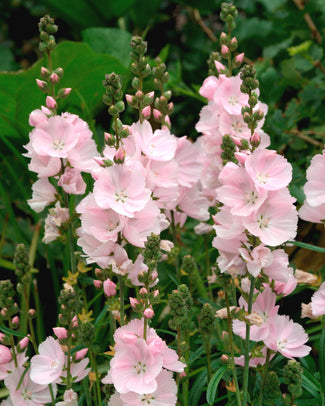
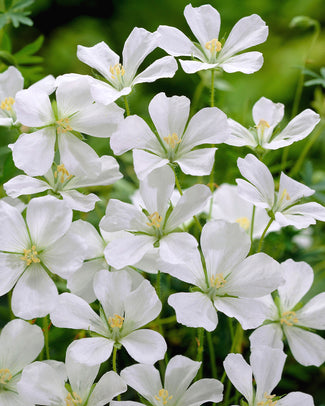
This diverse genus ranges from annual bedding plants to low, creeping alpines and tall, upright perennials. Phlox paniculata (or Border Phlox) are the showiest of them all, gracing the garden with a touch of glamour each summer. Neat clumps of upright stems are topped with domes of a fragrant blooms that offer a feast of nectar for pollinating insects. Their sturdy stems and sweet perfume also make superb cut flowers for summer bouquets.
These cottage garden favourites flourish in full sun or partial shade, deserving a prominent spot where they can really dazzle you! Expect a star performance, rubbing shoulders with herbaceous celebrities such as Campanula, Lupin and Delphinium. The tallest Phlox varieties are best positioned mid border for a lively pop of colour, while shorter cultivars work well at the front of borders and in patio containers. Once established these fuss-free, hardy perennials will bloom year after year, demanding very little maintenance in return.
How to plant:
— Phlox are supplied as bare roots in spring and should be planted within a week of delivery. If you can't plant them on the day of delivery, put the roots in a bowl of water and allow them to soak outdoors and plant within a week.
— Pot into temporary 2 litre (or 15-20cm diameter) pots, using a good quality multi-purpose compost.
— Plant with the roots fully submerged. The top of the root system usually has some visible buds or shoots, buds should be just level with the soil surface. Any shoots or leaves which have emerged already should be left exposed above the soil surface.
— Grow them on in a sheltered area outside. They can be transplanted into suitable growing positions after 2-4 months or once growth is established and the plants easily come out of the temporary pots with the soil held together by the roots.
— When transferring into the garden, choose a sunny or partially shaded position with a moist but free draining soil. Ensure the area is dug over and cleared of weeds first.
— Phlox should be planted at a spacing of around 20-30cm apart if planting in groups and typically take 1-2 years to establish.
— Keep space clear around the young plant and ensure neighbouring plants or weeds are not overcrowding it.
— Phlox plants are hardy to around -15C and do not require winter protection in most areas.
— Water-in after planting and keep hydrated when in growth, particularly during the first year.
Aftercare
— New leafy growth will emerge in spring, although newly planted Phlox may not flower in the first year.
— Taller cultivars may need staking in exposed, windy locations to prevent damage to the upright stems.
— Deadhead the faded blooms to encourage fresh growth and more flowers.
— These perennials are fully hardy and do not require winter protection once they are well established.
— Summer Phlox varieties (P. paniculata) are herbaceous. The stems and foliage of these deciduous varieties will naturally die back in late autumn. Cut back the old stems to 3cm above soil level in autumn.
— Established clumps can be divided in early spring if they become overcrowded.
![[]](http://www.farmergracy.co.uk/cdn/shop/products/agapanthus-black-buddhist-1_325x.jpg?v=1575625838 "Agapanthus 'Black Buddhist'")
![[]](http://www.farmergracy.co.uk/cdn/shop/products/agapanthus-black-buddhist-4_325x.jpg?v=1627464050 "Agapanthus 'Black Buddhist'")