How to plant Trifolium
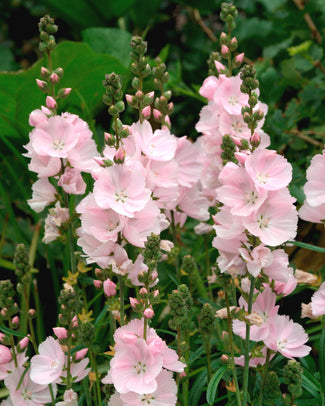
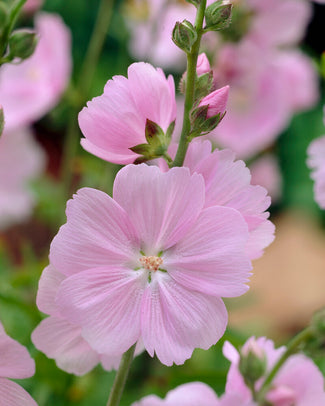
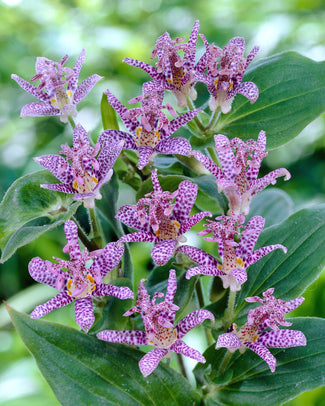
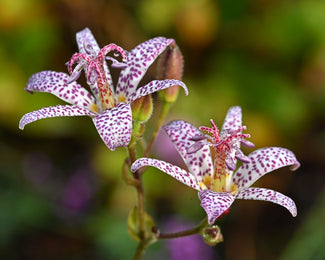
Trifolium, commonly known as Clover, is a broad genus including a range of species which are very different in appearance. Many species are grown for their ornamental value and resilient, low-maintenance nature. Our range includes bushy, upright, ornamental border perennials. These clump-forming plants are valued for their distinctive flower clusters and bushy, neat habit. Flowering through late spring into summer, it performs best in full sun and a well-drained, slightly moist soil. Fully hardy and easy to care for, Trifolium pairs well with ornamental grasses and other perennials, and is well suited to planting in drifts in meadows, prairie-style schemes, and informal borders. The nectar-rich flowers are highly attractive to bees and other pollinators, making it an important addition to wildlife-friendly gardens.
How to plant:
— Trifolium are supplied in spring as bare roots for planting between February and May. It is essential to attend to them soon after delivery as bare roots can quickly lose their freshness and viability in storage. If you can't plant on the day of delivery, remove the plants from the packets within 1-2 days of delivery and place in bowl of water outdoors to soak, then plant within a week.
— It is not recommended to plant bare root perennials directly into borders due to various factors which can lead to failure. Pot up bare root Trifolium and grow them on outdoors until they have established growth prior to transferring into borders.
— Pot up into individual 15-20cm diameter pots with multipurpose compost. Ensure the roots are fully submerged in the compost and buds at the top of the roots system are level with the soil surface. If any shoots or leaves have already emerged, leave them exposed above the soil surface. Water thoroughly after planting.
— Trifolium can also be grown long-term in patio containers. If you intend to grow your Trifolium in a patio container, there is no need to pot up and grow on first. You can plant directly into a 30cm+ diameter patio container filled with good quality multipurpose compost, following the same instructions as above.
— If supplied later in spring, bare roots may arrive with pale shoots or leaves. Plant with the roots fully submerged in the compost and the shoots/leaves exposed above the soil surface. They will soon green-up and continue to grow.
— After potting and growing on, your Trifolium plants will ready to transfer into a border once the plant easily comes out of the pot with the soil held intact by the roots. This typically takes a few months, depending on the size of the pot. Allow the compost in the pot to dry slightly before removing the pot, this will help the soil stay attached to the roots during transfer. Choose a position in full sun with moist but well drained soil. Space the plants 20-30cm apart if planting in groups. Add multipurpose compost to each planting hole to help the new roots grow and water thoroughly after planting.
— Monitor your new Trifolium closely during the first growing season, ensuring the soil is kept moist and that more established plants or weeds are not encroaching/smothering.
— Trifolium are hardy to around -20C. They can be potted up and positioned outside to grow on through spring and don’t require any frost protection.
Aftercare
— Water thoroughly after potting/planting. Check potted plants regularly as the soil in pots can dry out very quickly during warm spells. Water whenever the soil starts to feel dry during the first year.
— Trim off spent flowerheads after flowering to encourage continued flowering and keep plants looking tidy.
— Trifolium will naturally die back completely in autumn. In autumn, early winter or early spring, cut all of the stems down to around 3-5cm above ground level.
— These perennials establish over time and may not always flower in the first year. They should always produce foliage in the first year, usually by May when planted in spring.
— Trifolium are clump-forming perennials which grow back larger and with more flower stems each year. You can divide established Trifolium clumps between autumn and early spring when needed.
— Apply mulch in winter to help maintain a good soil quality, boost nutrient levels and help retain moisture.
— Read further general instructions about planting bare-root perennials

![[]](http://www.farmergracy.co.uk/cdn/shop/products/agapanthus-black-buddhist-1_325x.jpg?v=1575625838 "Agapanthus 'Black Buddhist'")
![[]](http://www.farmergracy.co.uk/cdn/shop/products/agapanthus-black-buddhist-4_325x.jpg?v=1627464050 "Agapanthus 'Black Buddhist'")