How to plant Origanum
Origanum is a genus of woody, aromatic perennials, the best known being Origanum vulgare, also known as the culinary herb Oregano. Confusingly other species such as Origanum marjorana are given a different common name, Marjoram. They all have wonderfully aromatic foliage but Marjoram is milder and sweeter in flavour. Naturally they make a treasured addition to herb gardens, but some varieties, especially Marjoram, are also bred for their charming ornamental qualities, making this a truly versatile addition to the garden.
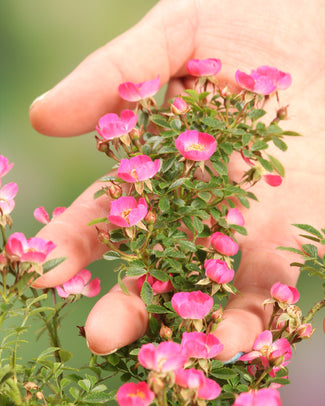
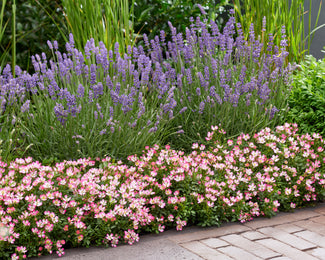
With Mediterranean origins, Marjoram flourishes in sunny borders, rubbing shoulders with other summer-flowering herbaceous perennials. Clusters of small tubular, pink flowers emerge above the scented leaves from summer through to autumn, enticing pollinating insects to a feast of nectar. This low maintenance herb has a quiet presence, that blends beautifully into informal cottage gardens, Mediterranean plantings and wildlife areas, making the perfect gap filler for borders or patio planters.
How to plant
— Origanum plants may be supplied in autumn for planting between September and December, or in spring for planting between February to June.
— Origanum (Marjoram) is supplied as a 9cm root ball plant, like a potted plant with soil on the roots. They should be watered upon arrival and planted very soon after delivery. If you can't plant on the day of delivery, unpack on arrival and sit the plant in a dish of water outdoors as it will need light and moisture, then plant within a week.
— Root ball plants may be planted directly into well prepared borders if soil and weather conditions are favourable. The soil in the border must be prepared in advice - dug over to soften and weeds removed. Avoid planting in close proximity to more established plants which will compete with the yound plant. When supplied in autumn, or at any time when growing conditions are more challenging, these plants should be potted up and grown on in temporary 2 litre (15-20cm diameter) pots, using a good quality multi-purpose compost.
— Plant root balls so that the roots are fully submerged. Position the plant so that the top of the root ball sits level with the soil surface, with any top growth exposed above soil level. Backfill the hole and firm down gently. Water thoroughly after planting.
— Plants which have been grown on in pots first can be transplanted to borders once they are more established. They are ready to transfer into borders when the plant easily comes out of the pot with the soil held intact by the roots.
— When transplanting to borders, choose a position in full sun on any fertile and well-drained soil. Avoid soils that sit wet in winter as this can cause Origanum to rot. Allow 20-30cm between plants, they will gradually spread out.
— Water regularly, particularly during the first year. They should be watered whenever the soil feels dry while they're settling in.
Aftercare:
— Origanum is a semi-evergreen perennial, usually retaining some of its foliage throughout the winter months. New growth will emerge each spring.
— Deadhead the faded blooms to promote more flowers.
— Cut back the old stems to 3cm above ground level in spring to encourage bushy new growth.
— This perennial is fully hardy and does not require winter protection once it is well established. However, plants potted in the autumn will benefit from some shelter from heavy winter rainfall in their first year.
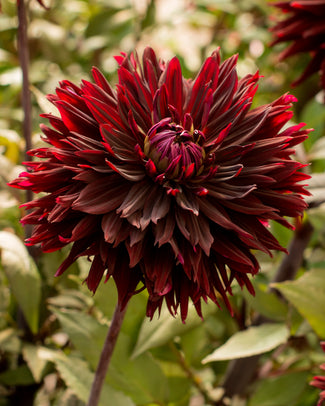
![[]](http://www.farmergracy.co.uk/cdn/shop/products/agapanthus-black-buddhist-1_325x.jpg?v=1575625838 "Agapanthus 'Black Buddhist'")
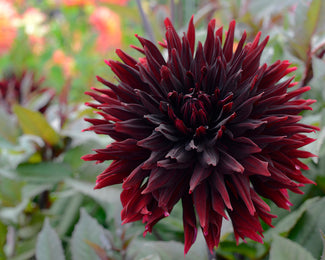
![[]](http://www.farmergracy.co.uk/cdn/shop/products/agapanthus-black-buddhist-4_325x.jpg?v=1627464050 "Agapanthus 'Black Buddhist'")