How to plant Iberis
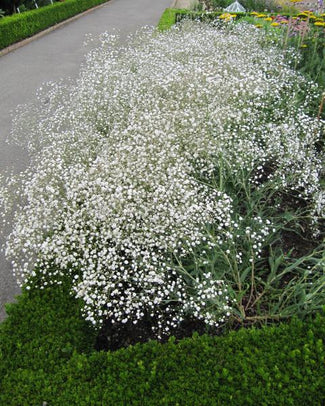
This tough little Mediterranean plant hails from the Iberian Peninsula (Spain and Portugal) giving it the name Iberis - although it’s best known as Candytuft. Perennial Iberis are compact, sub-shrubs, forming spreading mounds of evergreen foliage just 30cm high. They make valuable low maintenance ground cover in gravel gardens, rockeries and sunny borders. From late spring to early summer, this hardy plant is smothered with a froth of sparkling white blooms that make an enticing source of nectar for hungry pollinators.
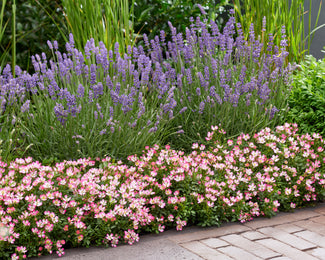
Robust and reliable, Perennial Candytuft thrives in sunny spots on poor soils and shows good drought tolerance once established. This versatile gap filler really earns its keep, whether spilling from patio pots, softening the front of borders, edging paths or providing evergreen groundcover.
How to plant:
— Iberis are supplied in spring for planting between February and May, and in autumn for planting between September and December. You should plant in the same season as supplied, ideally within a week of delivery.
— Iberis are supplied either as 9cm root balls, they are live plants and require light and moisture to survive. Unpack your plant on the day of arrival - if you can't plant on the day of delivery, place the plant in a shallow tray of water outside and plant within a week.
— It is possible to plant Iberis 9cm plants directly into a clear space in a well cultivated border, depending on the soil type, moisture levels and growing conditions. The area should be dug over before planting to loosen the soil to a crumbly, soft texture, and weeds should be removed. It is best not to plant directly into a space with a challenging soil type or which is overcrowded, or likely to become crowded durng the growing season.
— For areas with challenging growing conditions (clay soil, dry, poor soil or planted with more established plants), you should pot-up your 9cm root ball plant into a 15-20cm pot using multipurpose compost and grow it on outdoors until the plant is more established. You can transfer it into a border later in the year when it is stronger and more established. It will be ready to transplant when the roots begin to appear through the drainage holes in the pot.
— Whether you are planting direct into a border or potting up, plant the root ball so that it is fully submerged in the compost, buds which are visisble at the top of the root system should be level with the soil surface after planting. Young shoots/leaves or stems which have already emerged should be left exposed above the soil surface. If shoots are pale, they will green up in a matter of days of being exposed to daylight.
— When planting into a border, choose a sunny position with free-draining soil and space the plants 20-30cm apart. Add multipurpose compost to each planting hole to help the new roots grow. Avoid any areas which become waterlogged over winter.
— Water-in thoroughly after planting and keep hydrated when in growth, particularly during the first year. Once established, Iberis shows good drought tolerance.
— Iberis are hardy plants and there is no need to protect them from frost over winter.
Aftercare:
— Iberis is evergreen, retaining its foliage throughout the winter months.
— After flowering, lightly trim over the stems with secateurs to maintain a compact habit and promote bushy growth.
— This perennial is fully hardy and does not require winter protection once it is well established. However, plants potted in the autumn will benefit from some shelter from heavy winter rainfall in their first year.





![[]](http://www.farmergracy.co.uk/cdn/shop/products/agapanthus-black-buddhist-1_325x.jpg?v=1575625838 "Agapanthus 'Black Buddhist'")
![[]](http://www.farmergracy.co.uk/cdn/shop/products/agapanthus-black-buddhist-4_325x.jpg?v=1627464050 "Agapanthus 'Black Buddhist'")